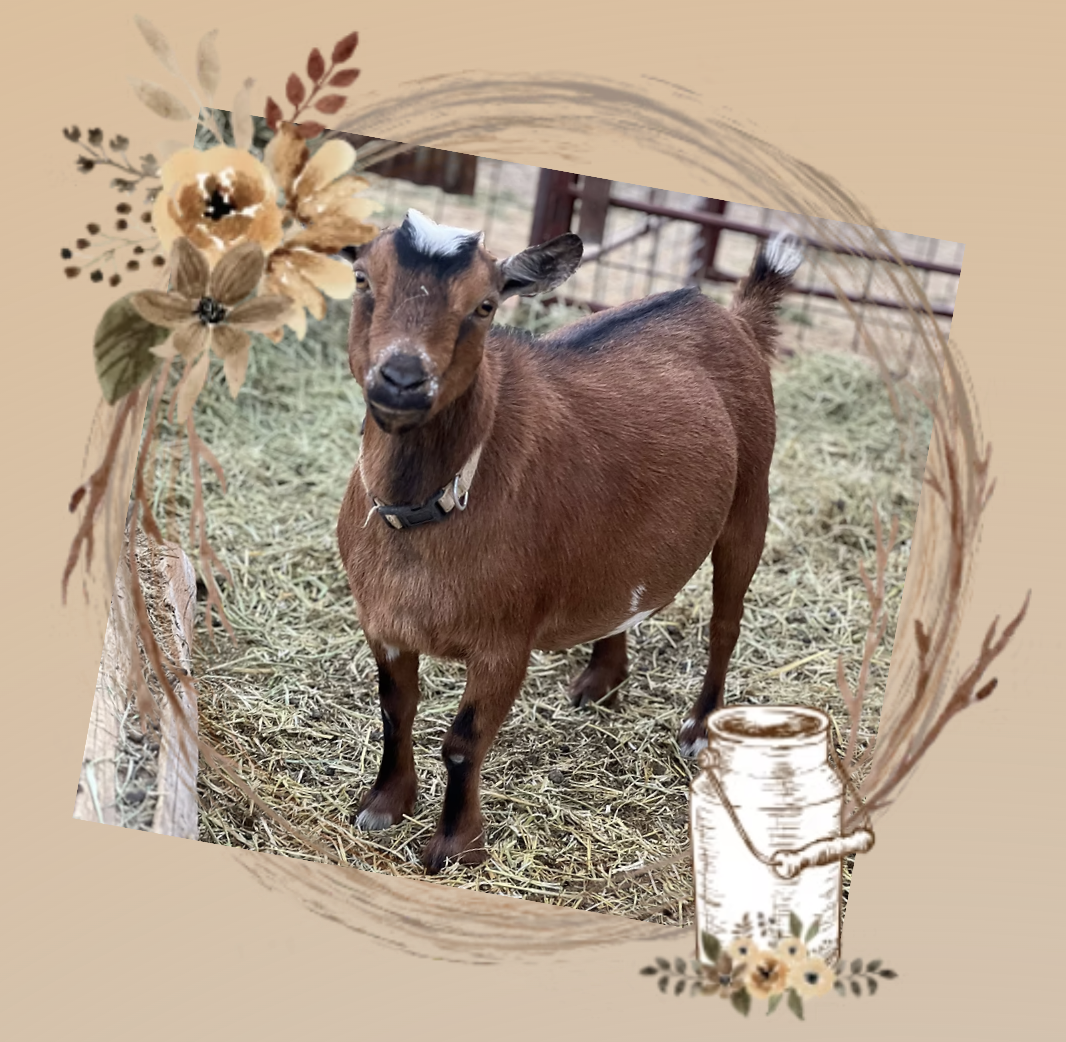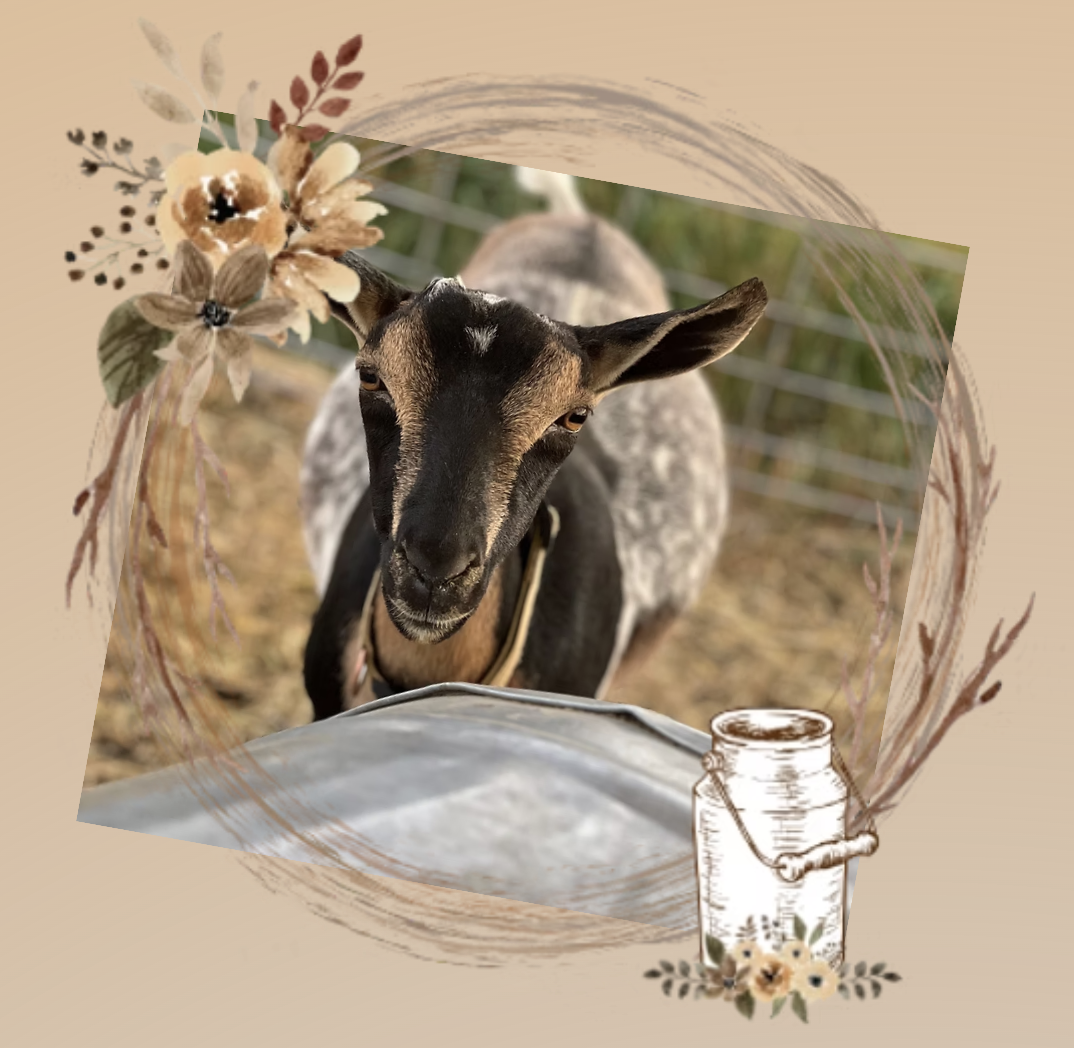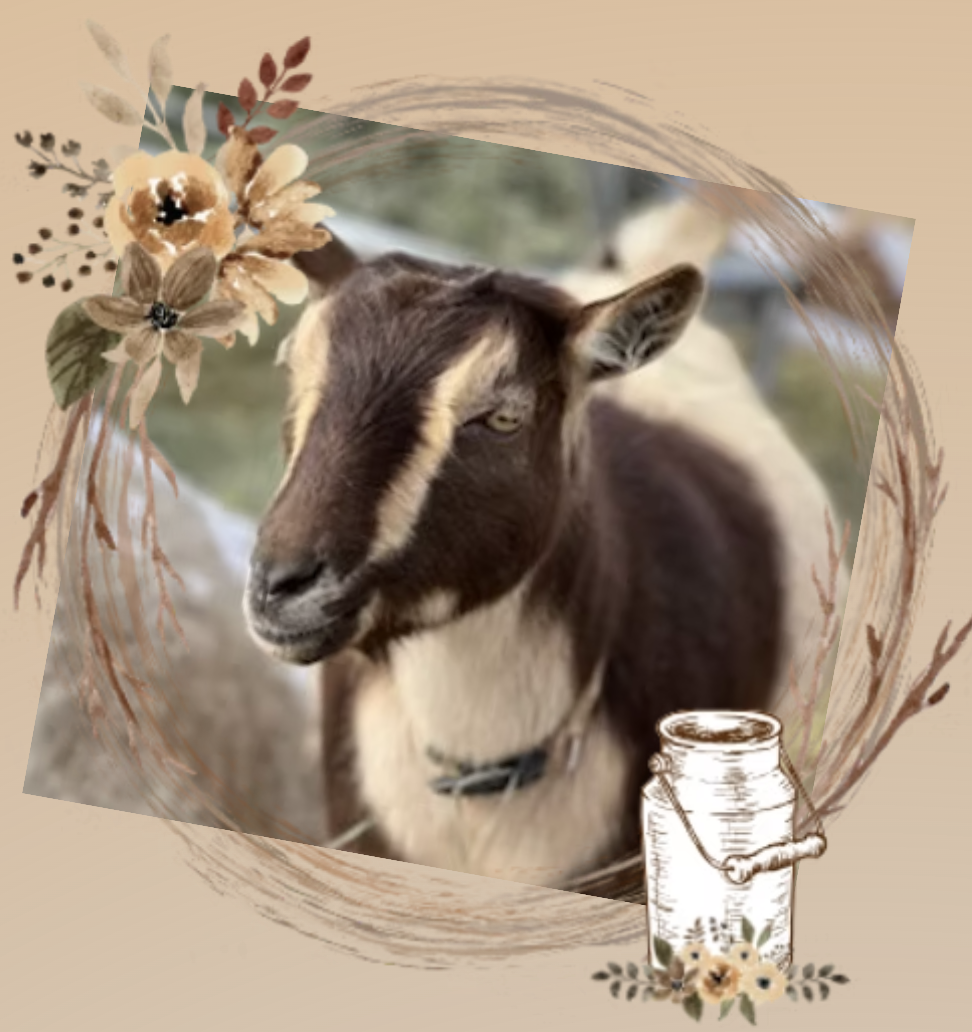
The Lil’ Rusty Herd
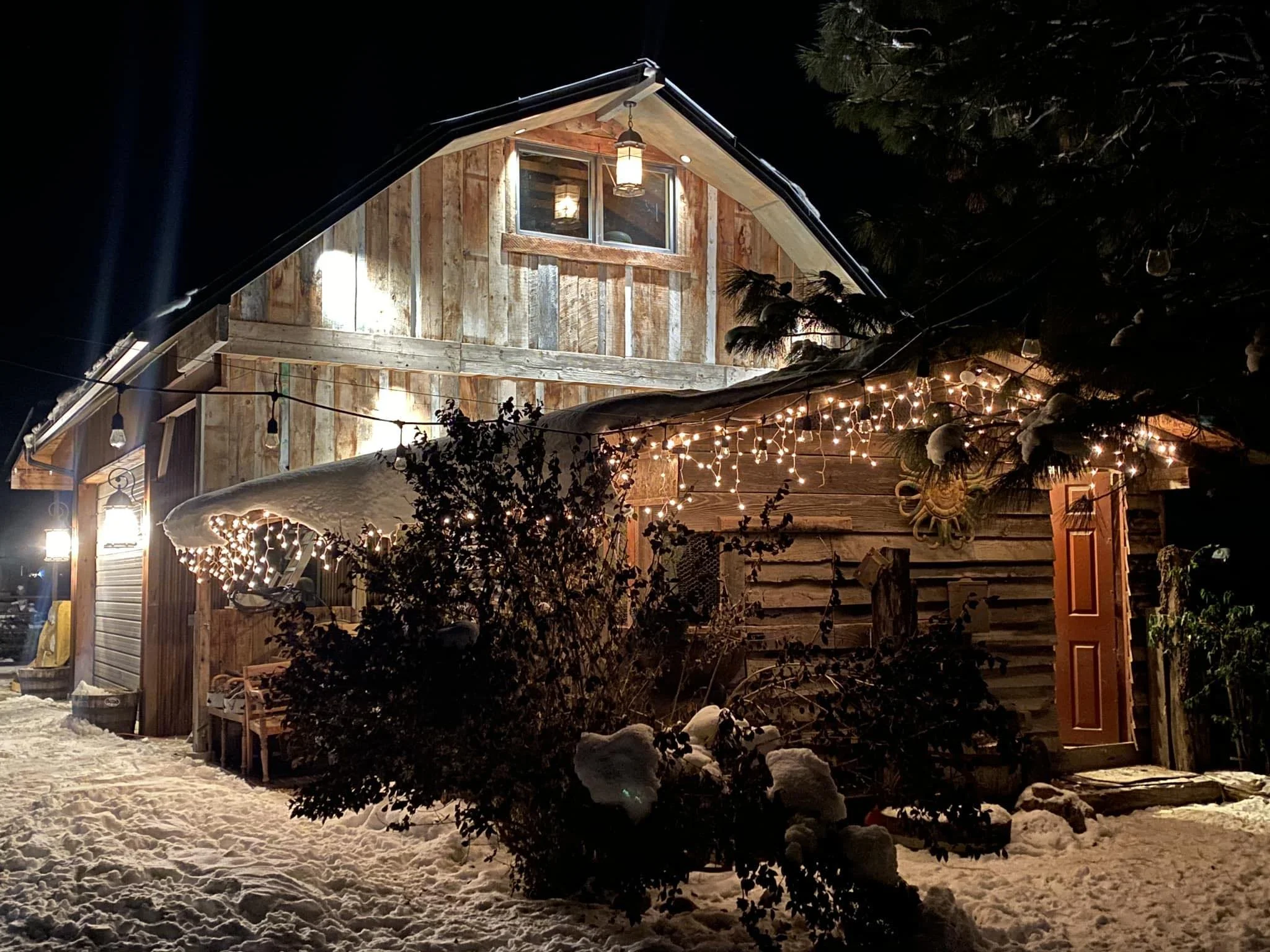
Our herd has been assembled from some of the best bloodlines nationwide and is managed to remain free of CAE, CL and Johnes diseases. The foundation of our herd are permanent champion and superior genetics does with a lineage of strong milk production. Each animal purchased, born, and bred on our farm is chosen to contribute to our breeding program based on individual features and genetic lineage that is supportive of high milk production, strength of type, and ease of management. Every year, great consideration is given to developing a breeding plan that combines genetics to enhance strengths and reduce flaws. Each goat within our herd is an athlete, a professional, and a contributor to our purpose of cultivating a farm that not only produces agricultural products but also grows excellence, respect, and friendship. We let these tenets guide us in harnessing the strengths of all the farm’s members to balance our breeding program’s top priorities: milk production, strength of type, and excellent showman/herdsmanship
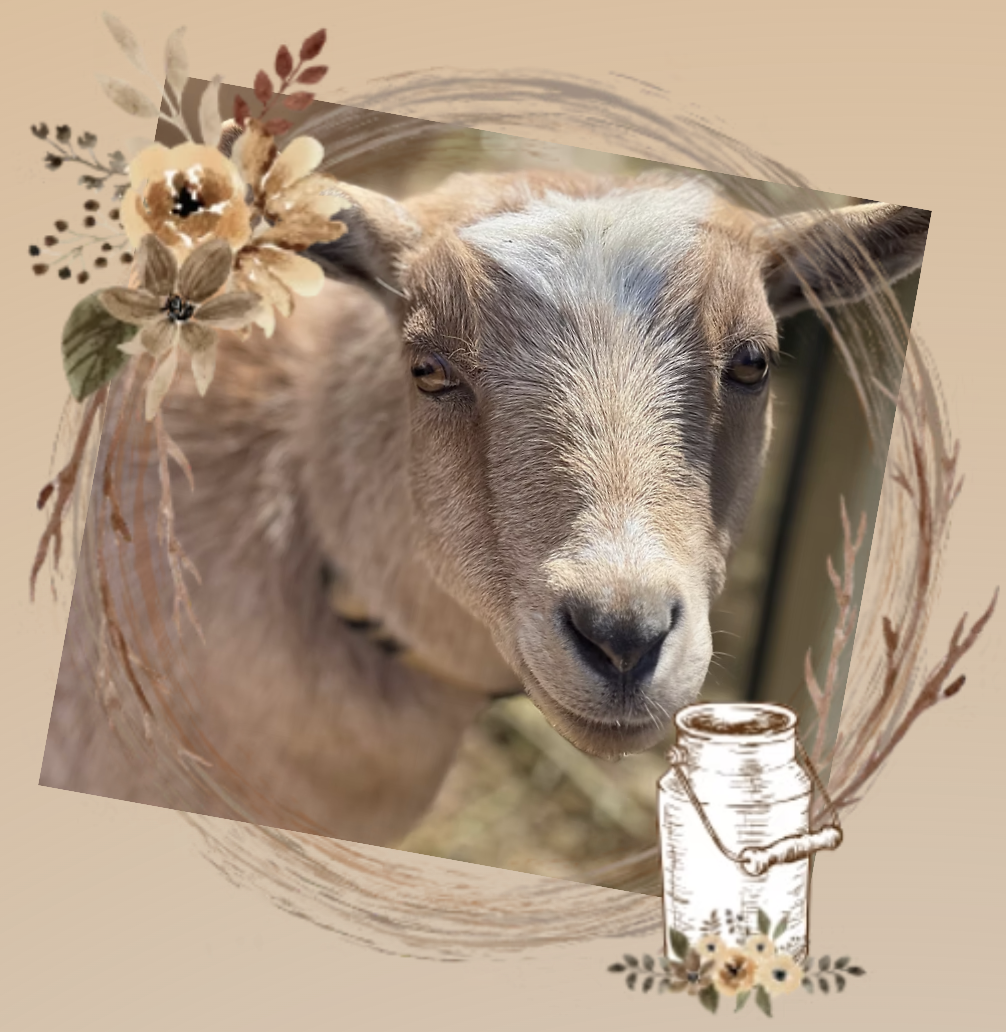
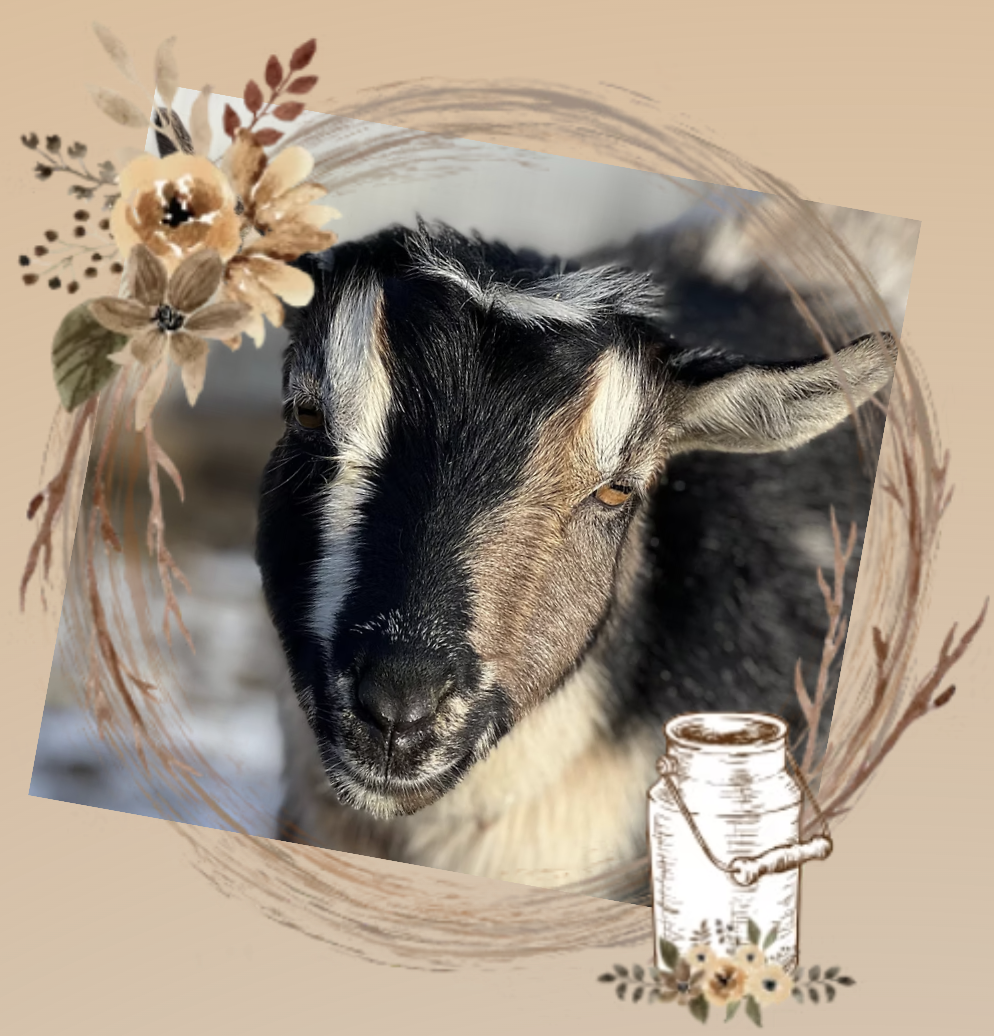
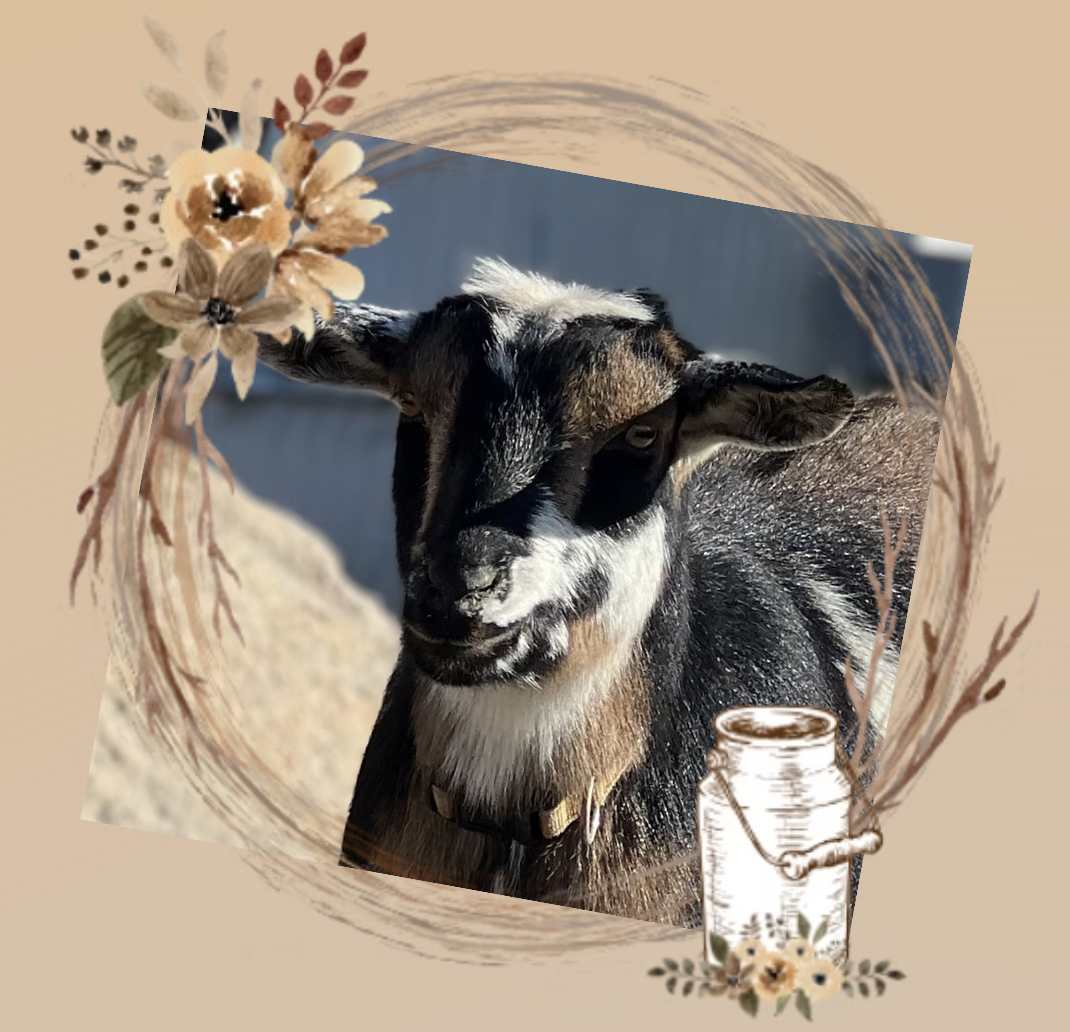
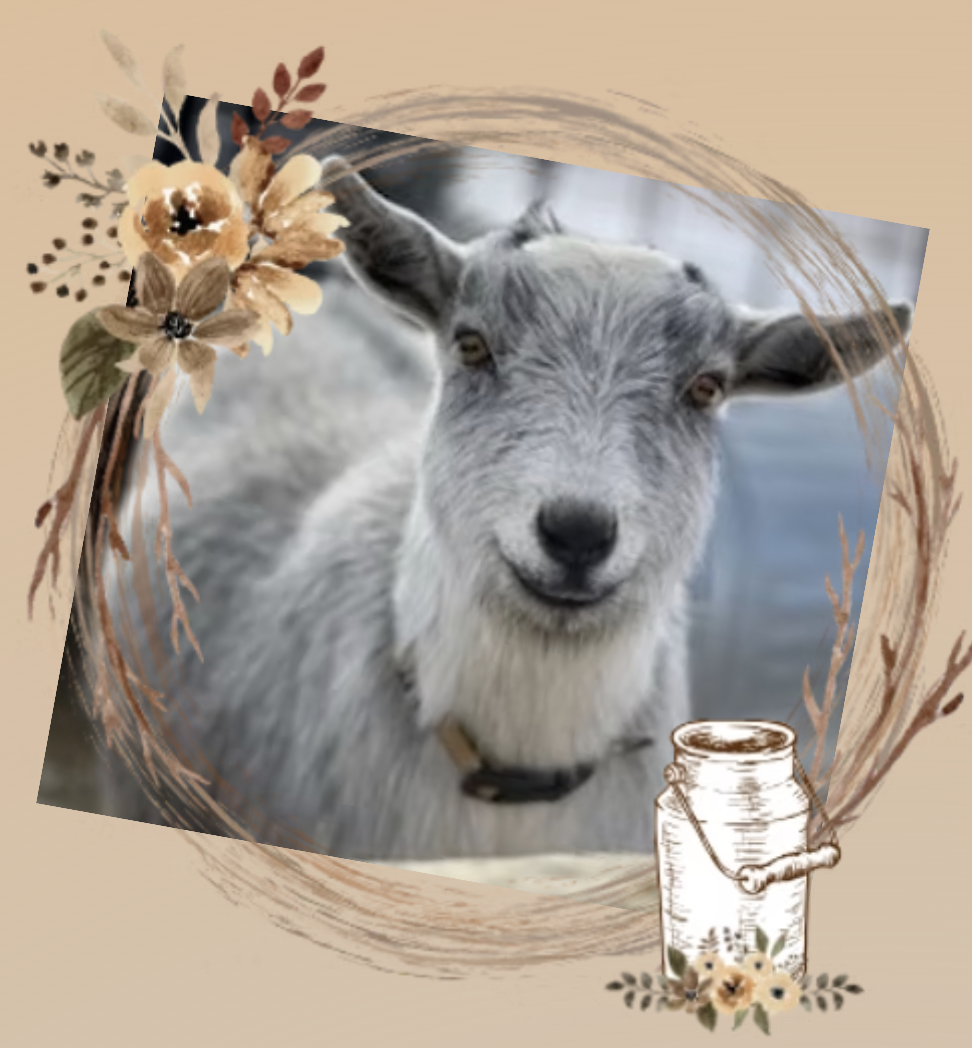
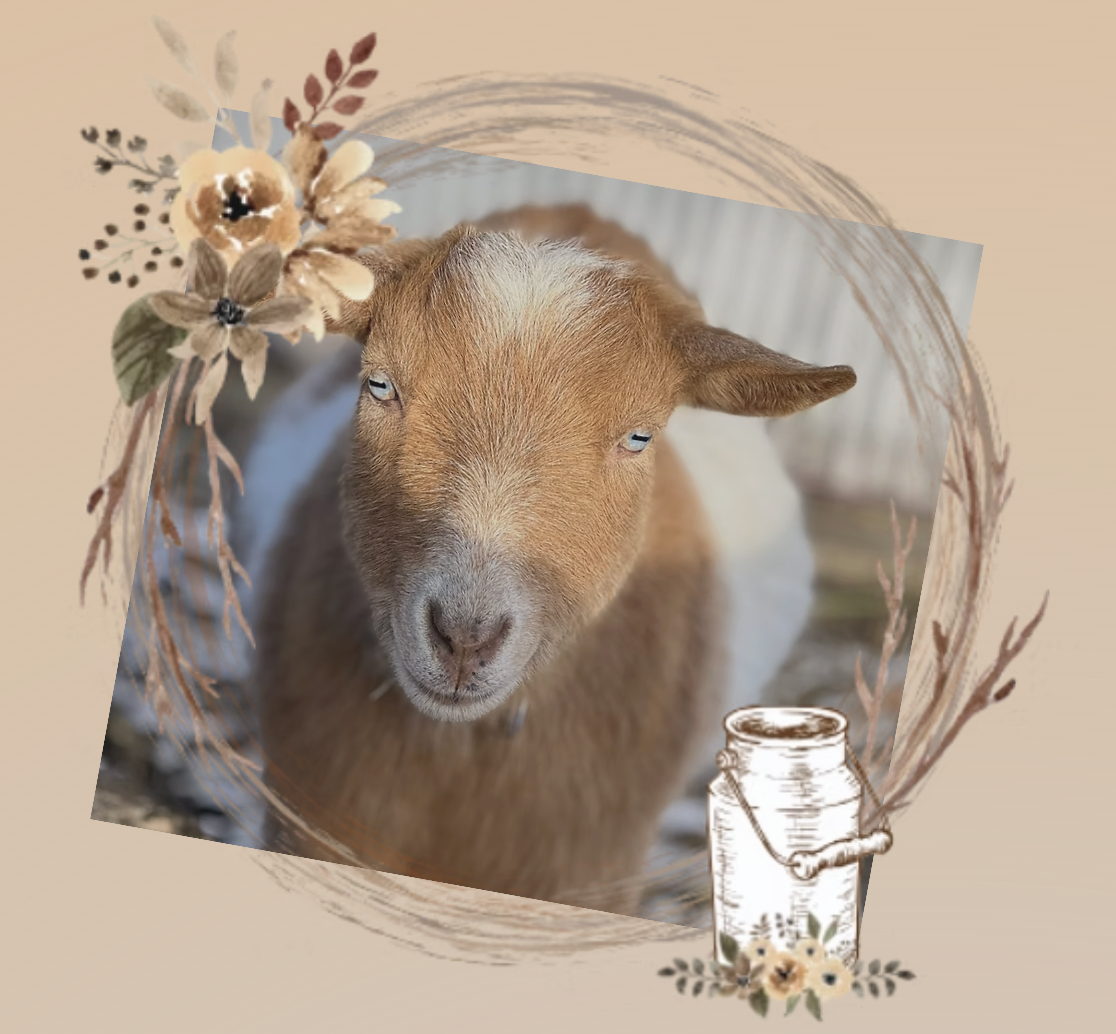
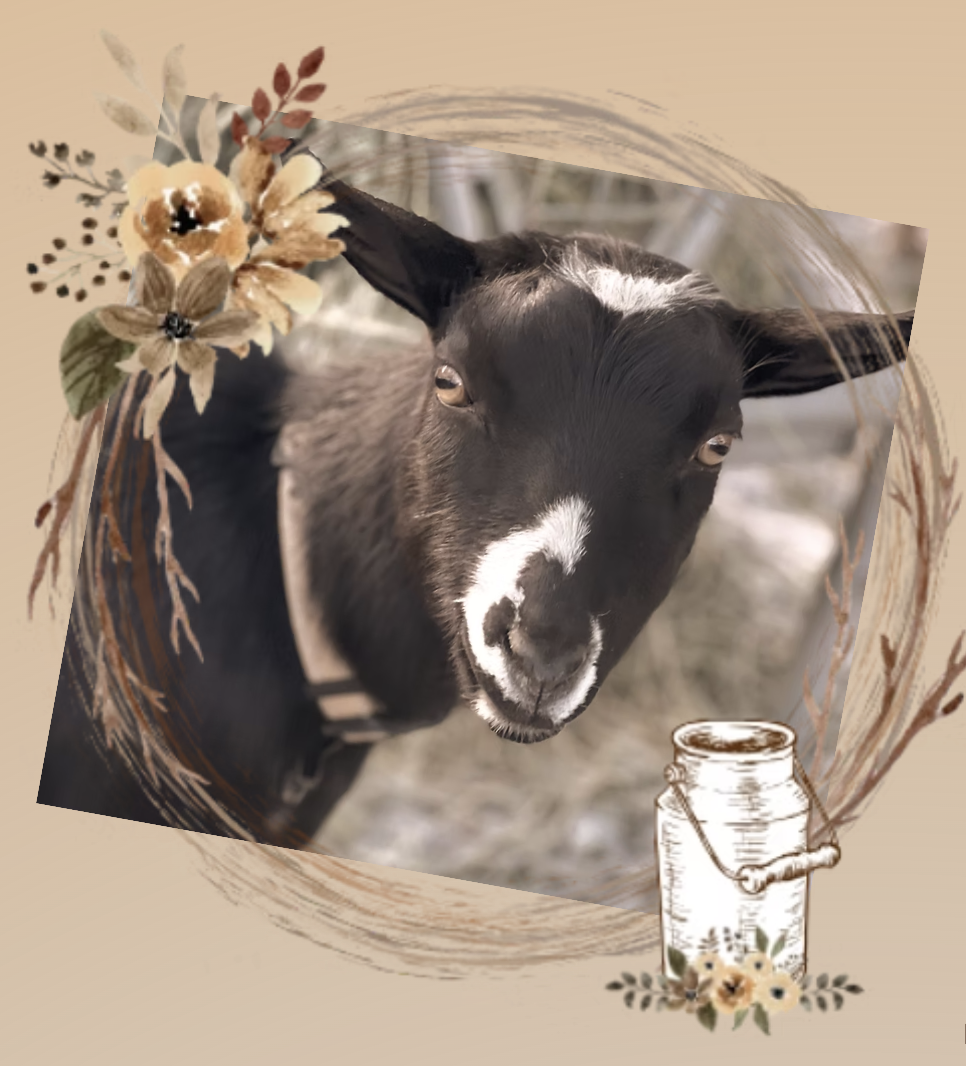
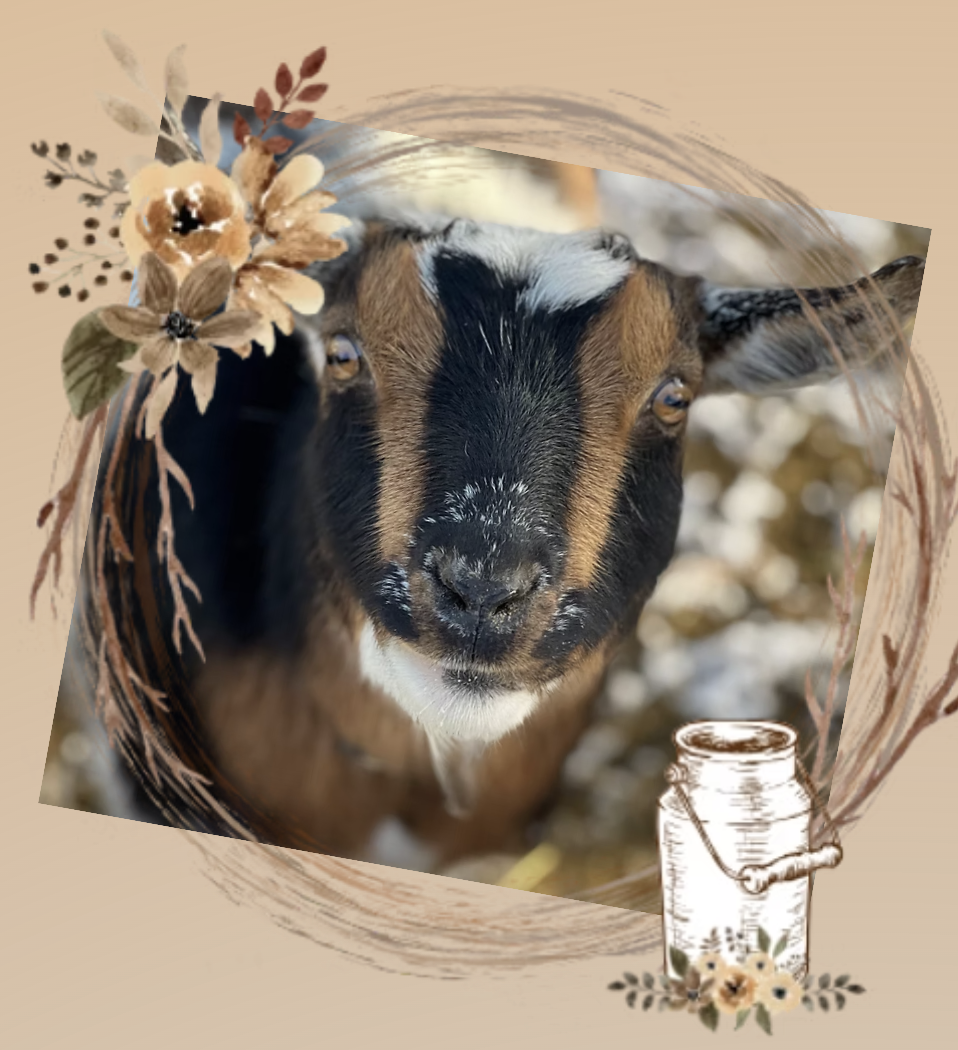
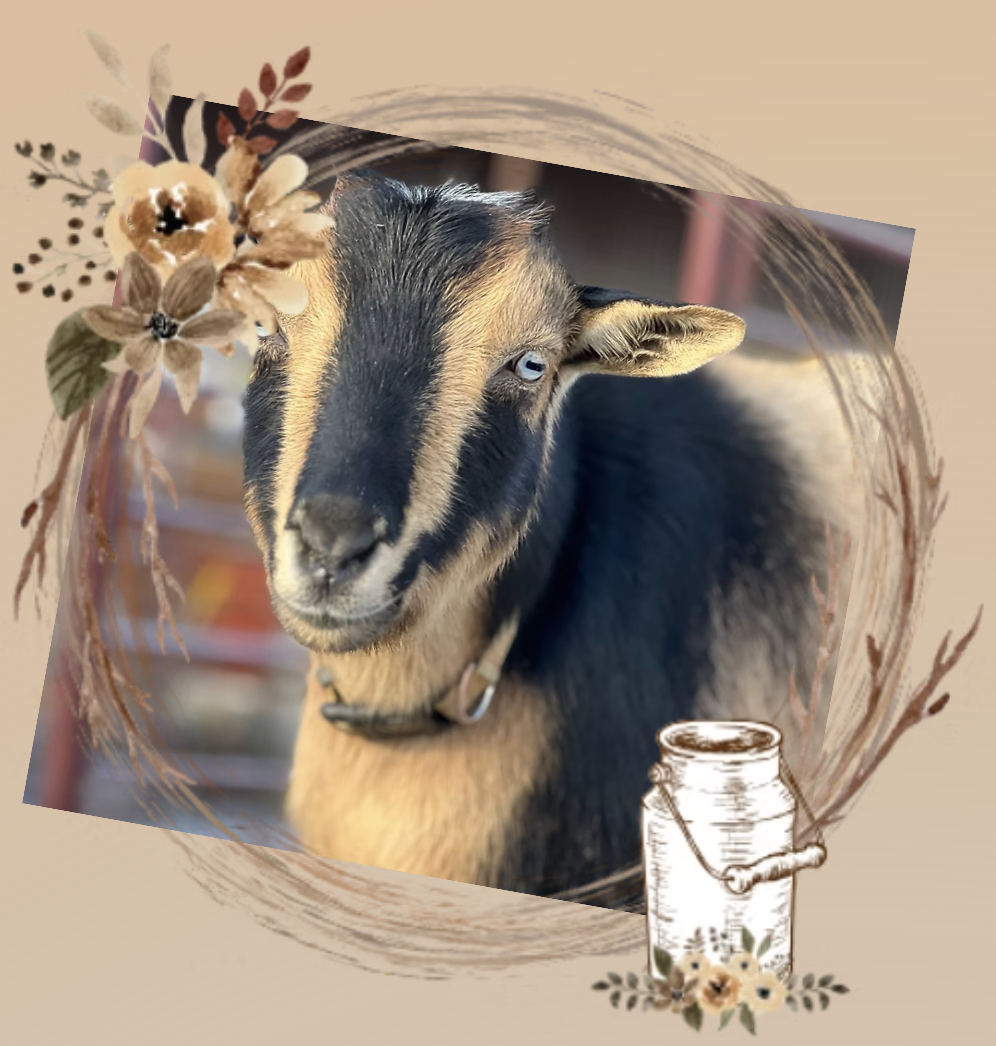
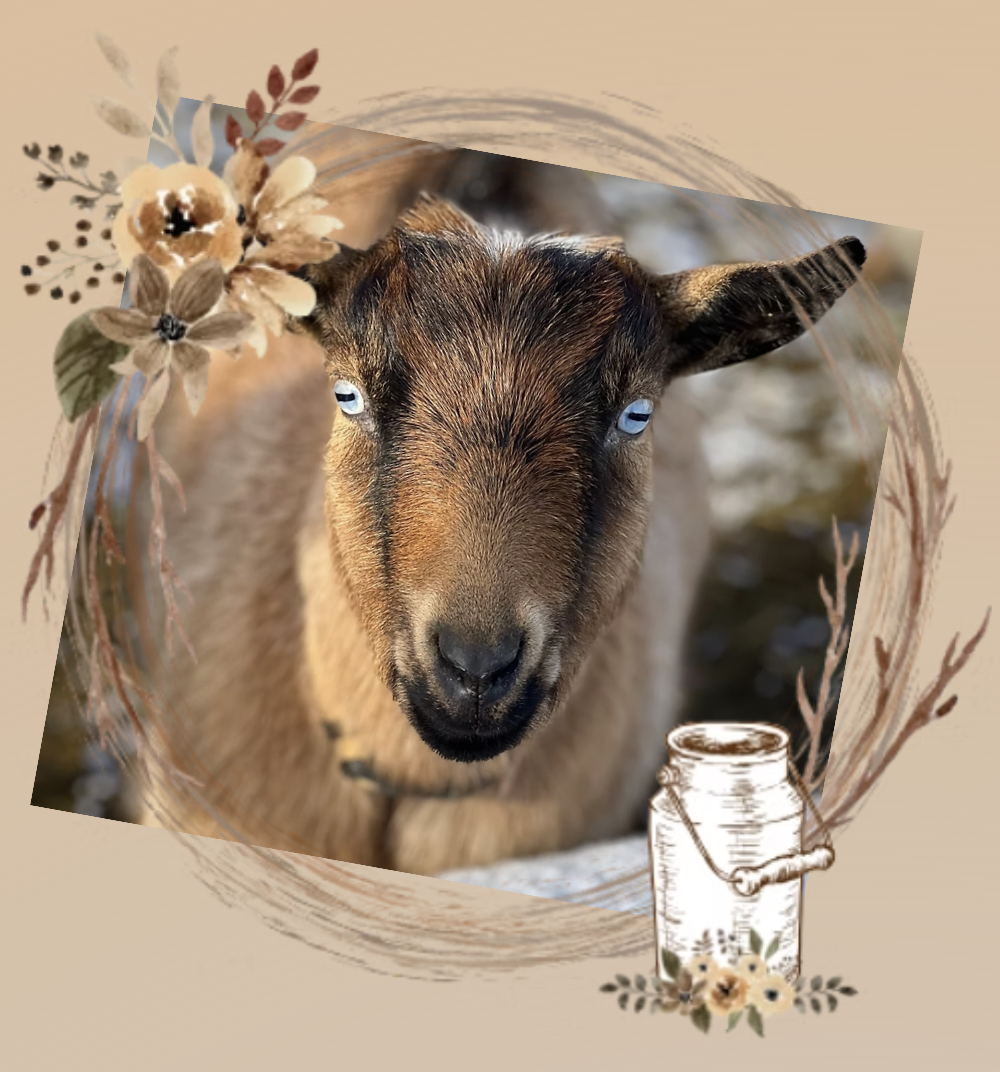
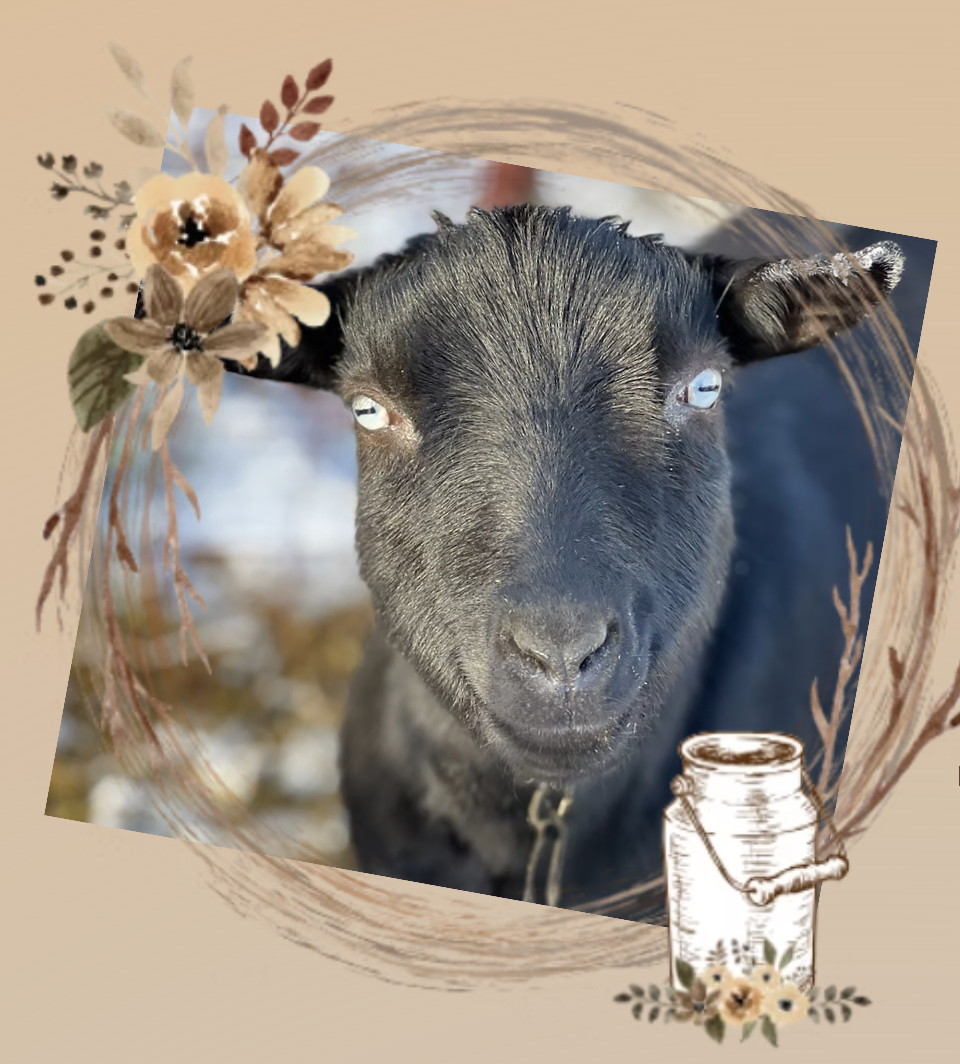
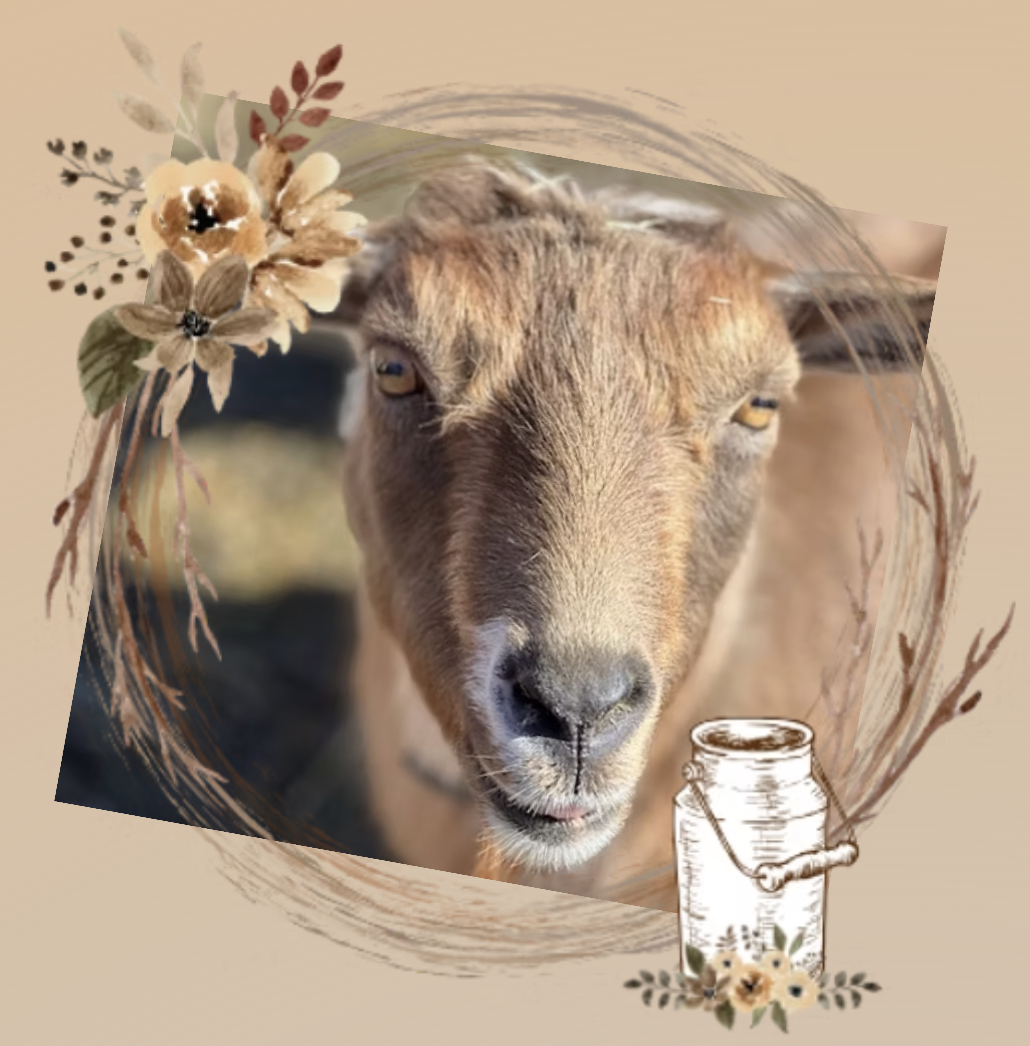
Doe is a term used to distinguish mature female goats from their younger counterpart, a doeling. Senior does are those who have had babies, or “freshened” at least once, while junior does are those who have not yet become mothers or “dams” to any offspring. Sometimes a doe may be called a Nanny, and historically, they symbolized excellence in love, strength, virility, leadership, and fertility. Our does are hand-selected from the finest herds nationwide, demonstrating features sought after in bloodlines that demonstrate pristine breed conformation, qualities, supreme milk production, and showmanship. Building strong bonds with our ladies is key for the success of each doe individually, as well as the herd as a whole. The professional journey of each animal is based on the fundamental core values of the breed standards with the intention of being a quality performance herd.
Senior Does
Our herd participates in milk testing as part of the Dairy Herd Improvement Registry (DHIR), helping us track does’ production throughout their lactation and across generations.